Here’s a summary of the provided content and a blog post from the requested perspective:
## Summary:
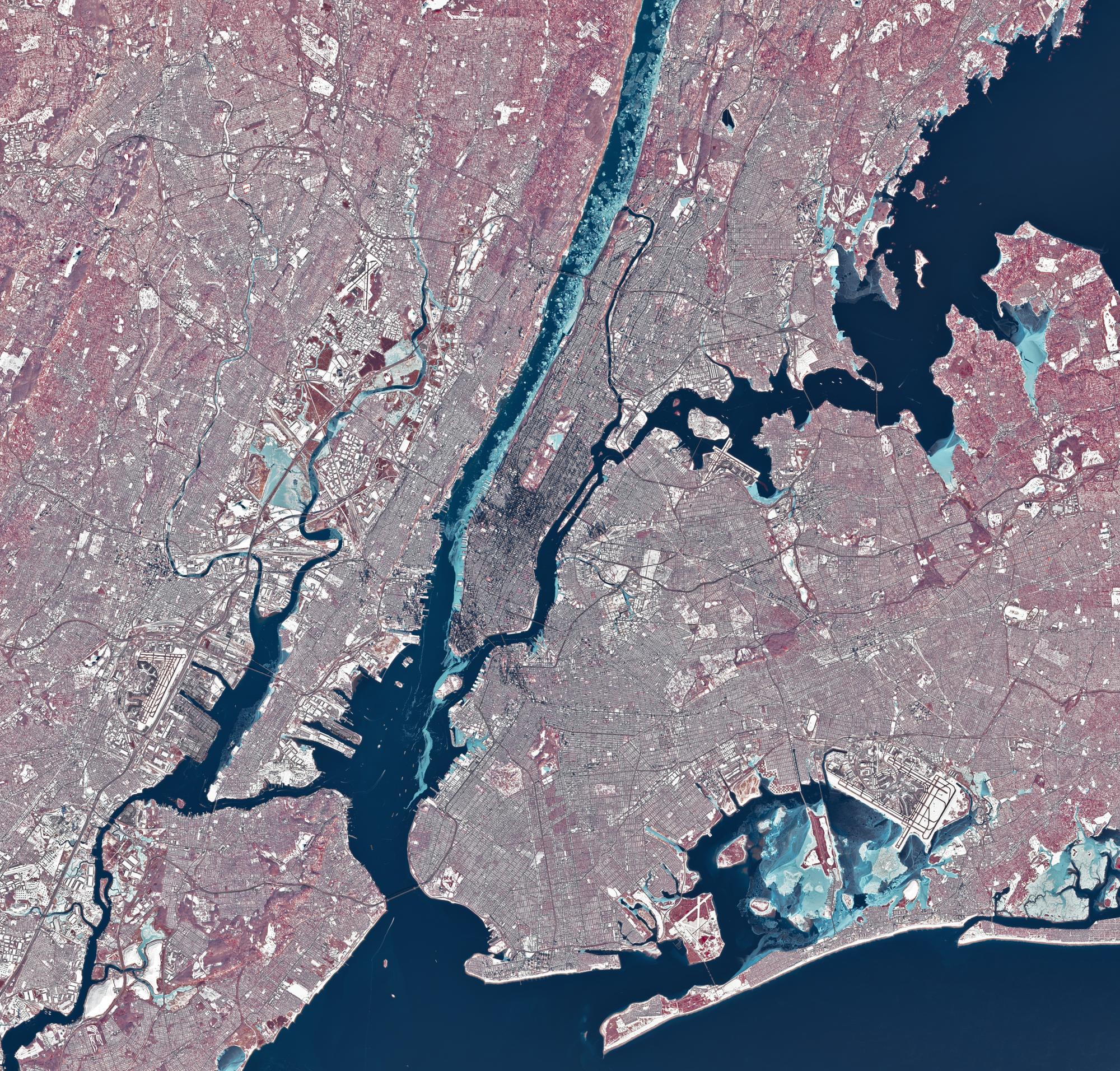
A chilling January in 2026 enveloped the New York metropolitan area, transforming the normally flowing Hudson River into a formidable channel of ice. Satellite imagery captured the stark visual evidence of a prolonged cold snap, with thick ice dominating the river’s western edge along Manhattan.
—
## Blog Post: A Different Kind of Frontier
Looking at this image from orbit, my mind immediately jumps to the extraordinary power of nature, and the subtle, yet undeniable, ways we can observe it from a vantage point few ever experience. It’s a reminder that even in our bustling, man-made metropolises, the planet’s natural rhythms continue, dictating the environment around us.
This particular snapshot of a frozen Hudson River, while seemingly ordinary, triggers a cascade of thoughts for me. It’s not just about the visual spectacle of ice against concrete; it’s about understanding the *why* behind it, the atmospheric conditions, the water’s behavior, and the materials that constitute the world we live on. My past work, dealing with extreme environments and the materials that withstand them, has honed a certain appreciation for these details. When you’ve spent time considering how materials behave under immense pressure, extreme temperatures, or in the vacuum of space, you start seeing the world through a lens of cause and effect, of forces and reactions.
You begin to appreciate the unseen engineering that allows things to function – or, in this case, freeze. It’s about the properties of water, the physics of ice formation, and the impact of prolonged cold. It also brings to mind the incredible feats of engineering we’ve undertaken, both on Earth and beyond, to understand and even navigate these very forces. There’s a parallel, I think, in how we studied and managed the thermal properties of spacecraft components to ensure their integrity in the harshness of space. Here, it’s a much more localized, but no less powerful, demonstration of those same fundamental principles.
Even now, from a quieter life, the fascination with how the world works – how it reacts to these shifts in temperature, how water transforms into solid, how a river can be conquered by ice – remains a deep-seated curiosity. It’s a testament to the enduring wonder of our planet, and the endless lessons it offers, even when viewed from a distance.
Leave a Reply