
## The Moon’s Breath: A Glimpse into Tomorrow’s Oxygen Source
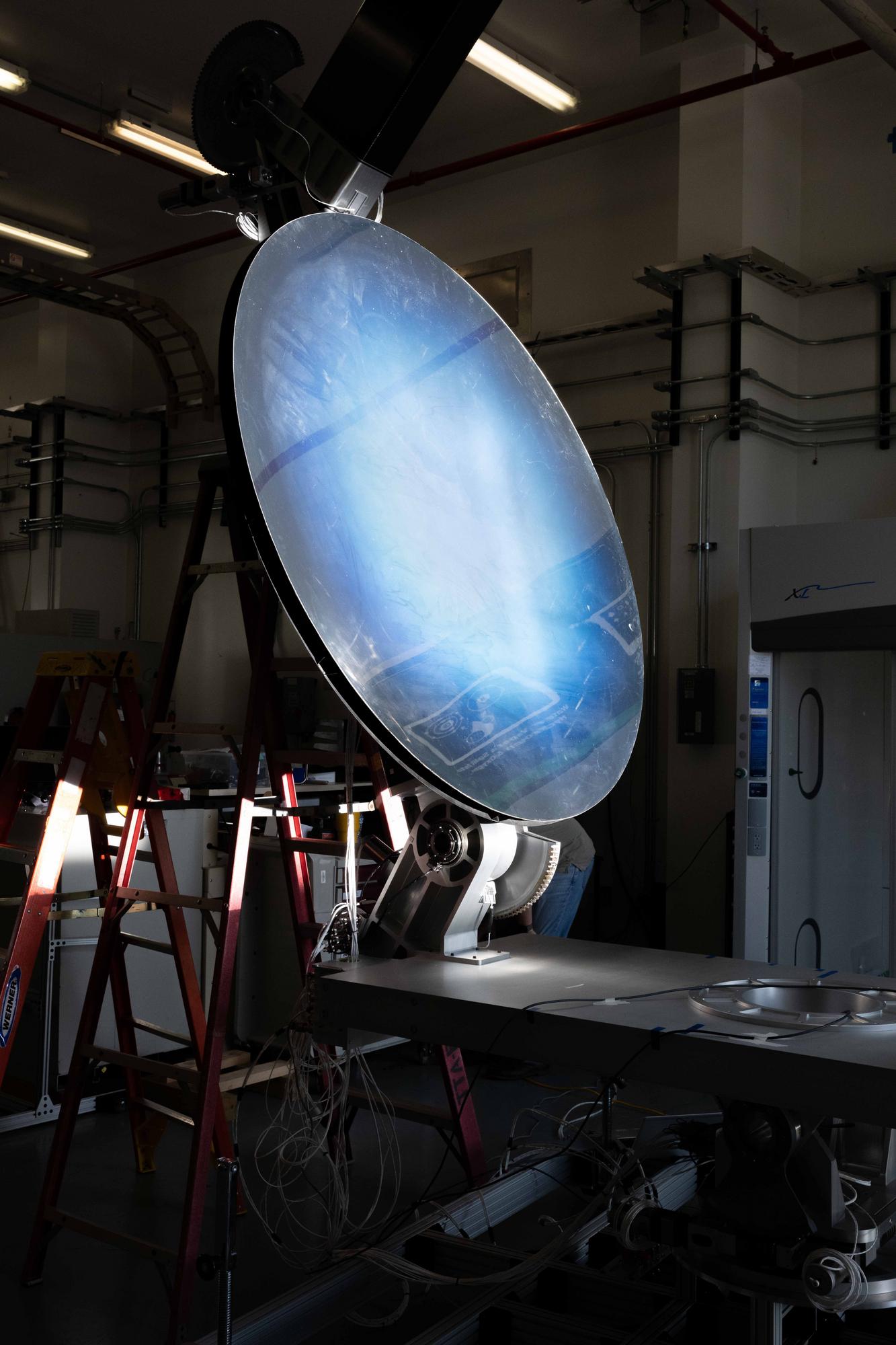
Imagine standing on the dusty plains of the Moon, the Earth a distant, luminous jewel in the inky black sky. What if, instead of relying on precious shipments from home, we could simply *breathe* the very ground beneath our feet? That’s the tantalizing prospect being explored by NASA’s Carbothermal Reduction Demonstration (CaRD) project, and the recent testing of its solar concentrator marks a significant step toward making lunar oxygen a reality.
This isn’t just about creating a more comfortable lunar habitat; it’s about unlocking the potential for sustained human presence beyond Earth. The CaRD project focuses on a fascinating chemical process: carbothermal reduction. In essence, it’s about using heat – in this case, concentrated sunlight – to break down the minerals in lunar regolith (moon dust) and extract oxygen. The recent test confirmed the production of carbon monoxide, a key intermediate step in the process. While it might sound like a small detail, this successful demonstration of the integrated solar concentrator, mirrors, and control software is a testament to the intricate engineering required to harness the sun’s immense power for this critical task.
The implications of this technology are profound. Oxygen is not only essential for breathing but also a vital component of rocket propellant. Being able to produce it locally on the Moon would drastically reduce the cost and complexity of future lunar missions, paving the way for deeper exploration, scientific research, and even commercial ventures. It’s about building a sustainable future in space, one breath at a time. This research, and the meticulous testing it entails, is the bedrock upon which that future will be built.
***
### A Familiar Spark: Reflecting on Lunar Oxygen Production
The news about NASA’s Carbothermal Reduction Demonstration (CaRD) project and their success in testing the solar concentrator for lunar oxygen production really caught my eye. It’s a fascinating area, and seeing that progress conjures up a lot of memories.
There’s a certain elegance in how they’re planning to leverage the sun’s energy to essentially “exhale” oxygen from lunar regolith. It’s a reminder of the incredible ingenuity required to make anything work off-world. When you’re deep in the trenches of engineering, particularly with something as unforgiving as space exploration, you learn to appreciate the fundamental principles that underpin even the most advanced concepts. It’s about understanding the materials, the processes, and the inherent risks involved, and then devising elegant solutions that minimize those risks while maximizing the chances of success.
The CaRD project, with its focus on carbothermal reduction and the sophisticated solar concentrator system, speaks volumes about the iterative nature of space exploration. You start with a theoretical concept, then you meticulously design, build, and test. Every component, from the mirrors that capture the sunlight to the software that controls the process, has to work in concert. There’s a deep satisfaction in seeing these pieces come together, especially when the ultimate goal is so transformative – like breathing the air on another celestial body. It brings to mind the careful choreography and the unwavering focus on safety that were paramount in my own work. You learn to anticipate every potential failure point, not to be pessimistic, but to ensure that when the critical moment arrives, everything performs exactly as it should. It’s this dedication to understanding and mastering every detail that allows for breakthroughs like the one demonstrated by the CaRD team.
Leave a Reply