## A Touch of Solar Magic: Turning Moon Dust into Breathable Air
Imagine standing on the lunar surface, the Earth a distant blue marble in the inky black sky. What if, instead of relying on heavy, precious cargo from home, you could simply look down, gather a handful of the very ground beneath your boots, and conjure the very air you need to survive? That’s precisely the kind of ingenious thinking that’s bubbling up at NASA, and the Carbothermal Reduction Demonstration (CaRD) project is a shining example of it.
This ambitious endeavor is all about unlocking the hidden potential within lunar regolith – the powdery, dusty stuff that covers the Moon. Specifically, the CaRD project is testing a method called “carbothermal reduction” to extract oxygen. Think of it like a cosmic alchemy, where the Sun’s intense energy, amplified by clever mirrors, becomes the alchemist’s fire. This concentrated solar power is used to heat up lunar soil and a carbon-rich substance (presumably brought from Earth or, eventually, harvested from lunar resources themselves). Through a chemical reaction, this process aims to break down the oxygen-bearing minerals in the regolith and release oxygen.
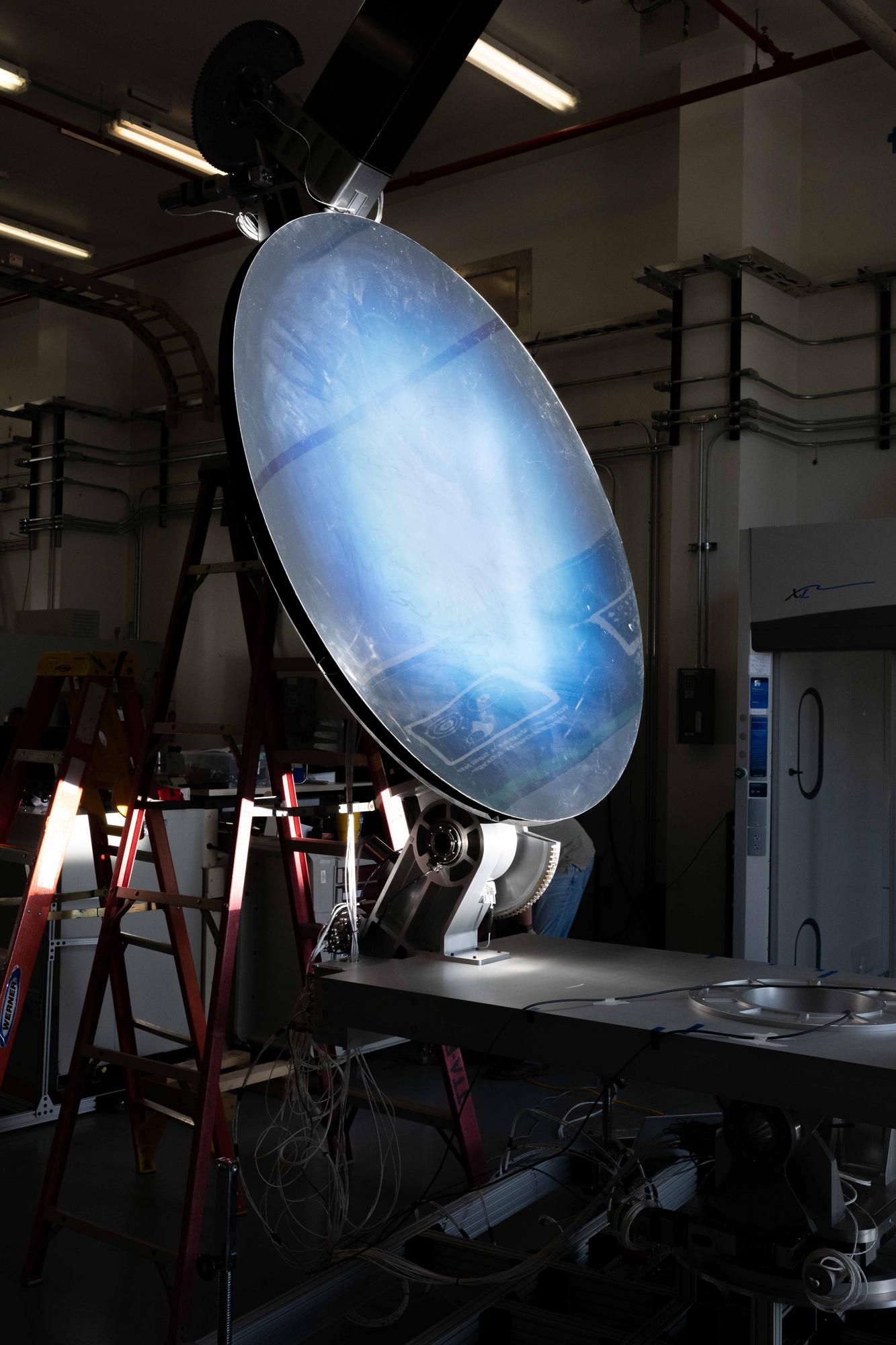
The recent test, a crucial step in this journey, focused on integrating the sophisticated solar concentrator, its intricate array of mirrors, and the commanding software that orchestrates it all. The team not only confirmed the system’s readiness but, more importantly, successfully demonstrated the production of carbon monoxide – a key intermediate step in the process that signals the carbothermal reduction is indeed taking place. While this isn’t breathable oxygen *yet*, it’s a vital confirmation that the science is sound and the technology is on the right track. The Moon’s South Pole, with its abundance of potential resources and consistent sunlight, is the chosen stage for this groundbreaking demonstration, paving the way for more sustainable lunar exploration.
—
## From Orbiting Steel to Lunar Oases
There’s a certain thrill that still sparks within me when I see news like this from NASA. It’s the hum of possibility, the elegant dance of engineering that aims to push humanity just a little bit further out into the cosmos. Looking at the images from the CaRD project’s recent testing, my mind immediately flashes back to the intricate, often invisible, challenges we faced in ensuring every single component of the Space Shuttle was not just functional, but impeccably safe and reliable.
The way the CaRD team is focusing on the fundamental chemistry of lunar regolith, and how they’re harnessing a natural resource – the Sun – to achieve a critical objective, resonates deeply with my past work. My role involved understanding the very essence of materials, how they behave under extreme conditions, and the precise processes required to coax them into performing their intended function. When you’re dealing with the vacuum of space, or the intense heat of re-entry, or the unforgiving cold of the lunar night, the properties of the materials you choose are paramount. You can’t afford to guess; you must *know*.
This project, in its drive to extract oxygen from rocks and dust, is a masterclass in understanding chemical bonds and energy transfer. It reminds me of the careful consideration we gave to every weld, every sealant, every composite layup on the Shuttle. It wasn’t enough for something to *look* right; it had to *be* right, down to the molecular level. The success of CaRD hinges on a deep, almost intuitive grasp of chemical reactions and material properties, combined with the kind of robust engineering that ensures a system performs as predicted, time and time again.
And the reliance on solar power for this process? It speaks to a pragmatic ingenuity that is so vital for long-term space presence. We’re moving beyond the era of solely relying on massive fuel tanks and complex orbital maneuvers to sustain ourselves. Now, the focus is on living *off the land*, or in this case, living off the Moon. This is where the experience of working with systems that demand precision, that require constant monitoring for any sign of deviation, becomes invaluable. The software integration they mention – that’s the digital nervous system. Ensuring that the mirrors track the sun flawlessly, that the temperature profiles are maintained, that the gas evolution is accurately measured – these are the critical data points that, from my perspective, will tell the real story of success. It’s about the meticulous verification of every step, the constant vigilance that underpins all safe and effective space exploration. The thought of future astronauts breathing air made from lunar soil… well, that’s a pretty powerful motivator, isn’t it?
Leave a Reply