## From Gantry to Grandma: A Peek Behind the Curtain of *Project Hail Mary*
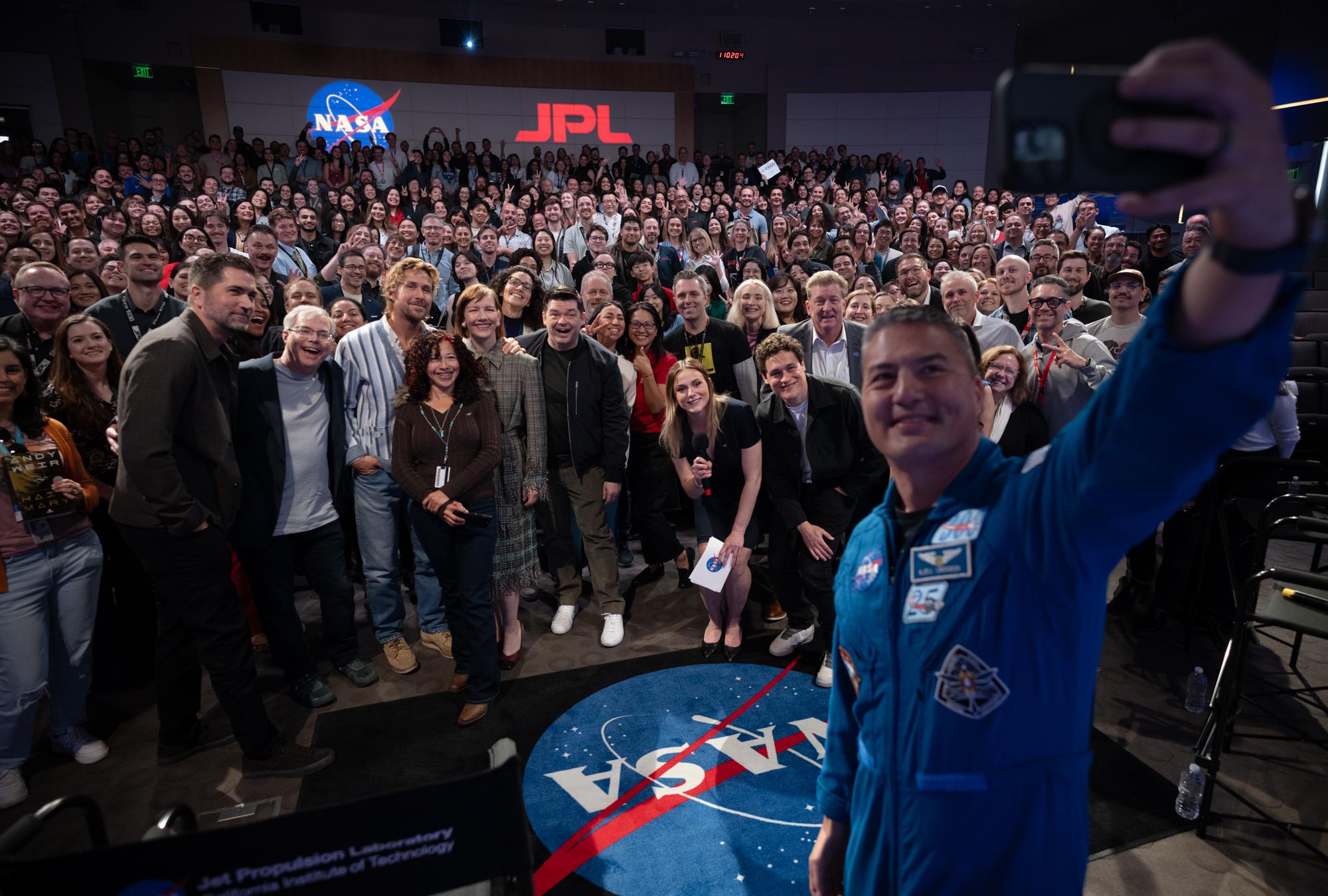
The buzz around the *Project Hail Mary* panel at JPL, captured in that incredible selfie with Astronaut Kjell Lindgren, is more than just fan excitement. For those of us who have lived and breathed the rigorous, often invisible, world of space exploration, it’s a moment to reflect on the intricate dance between science fiction and reality, and how the lessons learned in the trenches of actual space missions shape how we perceive such narratives.
When you look at the sheer ambition and the scientific underpinnings of a story like *Project Hail Mary*, it’s easy to get lost in the dazzling spectacle. But as someone who spent years meticulously ensuring that the very materials we launched into orbit wouldn’t fail under unimaginable stress, I see a different layer of wonder. It’s in the unglamorous work, the countless hours spent scrutinizing every weld, every composite layup, every thermal coating. That dedication to the minutiae, the relentless pursuit of understanding how things behave in the vacuum of space, is the bedrock upon which all space endeavors are built.
My time involved in getting hardware ready for the ultimate journey, particularly during the Space Shuttle era, instilled a profound respect for the robustness required. We weren’t just building machines; we were crafting vessels designed to withstand environments that would obliterate anything less. Every choice, from the alloys used in structural components to the adhesives holding critical systems together, was a calculated decision made with safety as the paramount concern. We learned, sometimes the hard way, that assumptions are dangerous in space. A hairline fracture, a microscopic impurity, a slight deviation in processing temperature – any of these could have catastrophic consequences.
This deep-seated understanding of material properties and processing tolerances inevitably colors how I view fictional accounts of space travel. While Hollywood can, and should, push the boundaries of imagination, there’s a certain appreciation for narratives that, even loosely, touch upon the real challenges. When a story delves into the ingenuity required to overcome environmental hazards, or the sheer complexity of engineering solutions for survival, I can’t help but nod along. It resonates with the memory of late nights poring over stress analyses, the satisfaction of seeing a perfectly processed component pass its rigorous tests, and the quiet pride in knowing that the safety of our astronauts depended on that meticulous attention to detail.
Now, my focus has shifted from the gantry to the grocery store, from mission control to morning carpool. My days are filled with a different kind of critical analysis – negotiating bedtime with four small humans, ensuring they’re fueled for their own adventures (albeit terrestrial ones), and fostering their innate curiosity about the world, and perhaps the stars. Yet, the engineer’s mindset remains. It’s the analytical approach, the problem-solving rigor, the inherent understanding of how systems work (and sometimes, don’t work) that I now apply to the beautiful chaos of family life.
So, when I see a moment like the *Project Hail Mary* panel, I see not just a celebration of a popular movie, but a testament to the enduring power of human ingenuity and the dedication of countless individuals, past and present, who make the dream of space exploration a reality. It’s a reminder that behind every incredible feat, there are years of painstaking work, a deep understanding of fundamental principles, and a commitment to getting every single detail just right – whether that’s a spacecraft destined for another star, or the perfect bedtime story for a little one.
Leave a Reply