Here’s a blog post from the perspective of an ex-Space Shuttle Materials and Processing Engineer, now a stay-at-home mom, reflecting on the CaRD project:
## Forging Life from Dust: A Glimpse of Lunar Futures
Imagine this: a celestial furnace, powered by the unadulterated brilliance of the sun, sifting through the very ground of the Moon. It’s not science fiction; it’s the tangible promise of NASA’s Carbothermal Reduction Demonstration, or CaRD, project. The recent testing at the lunar South Pole, where they successfully confirmed the production of carbon monoxide through the carbothermal reduction of lunar regolith, is more than just another milestone; it’s a whisper of what’s to come – a future where humanity might truly put down roots on another world.
This process, at its heart, is about extracting vital resources from the seemingly barren lunar surface. By using the concentrated energy of sunlight to heat lunar soil, or regolith, in the presence of carbon, we can trigger a chemical reaction. This reaction breaks down the oxides within the regolith, releasing oxygen and other valuable byproducts, like carbon monoxide. Think of it as unlocking the Moon’s hidden larder, transforming dust into breathable air and, potentially, rocket fuel.
What truly captivates me about this endeavor is the elegance of its solution. Harnessing the Sun, a constant and abundant energy source in space, to achieve such a fundamental objective – life support – is a testament to ingenious engineering. It sidesteps the colossal challenge of transporting massive amounts of oxygen from Earth, a logistical hurdle that has long loomed over extended lunar missions and settlements.
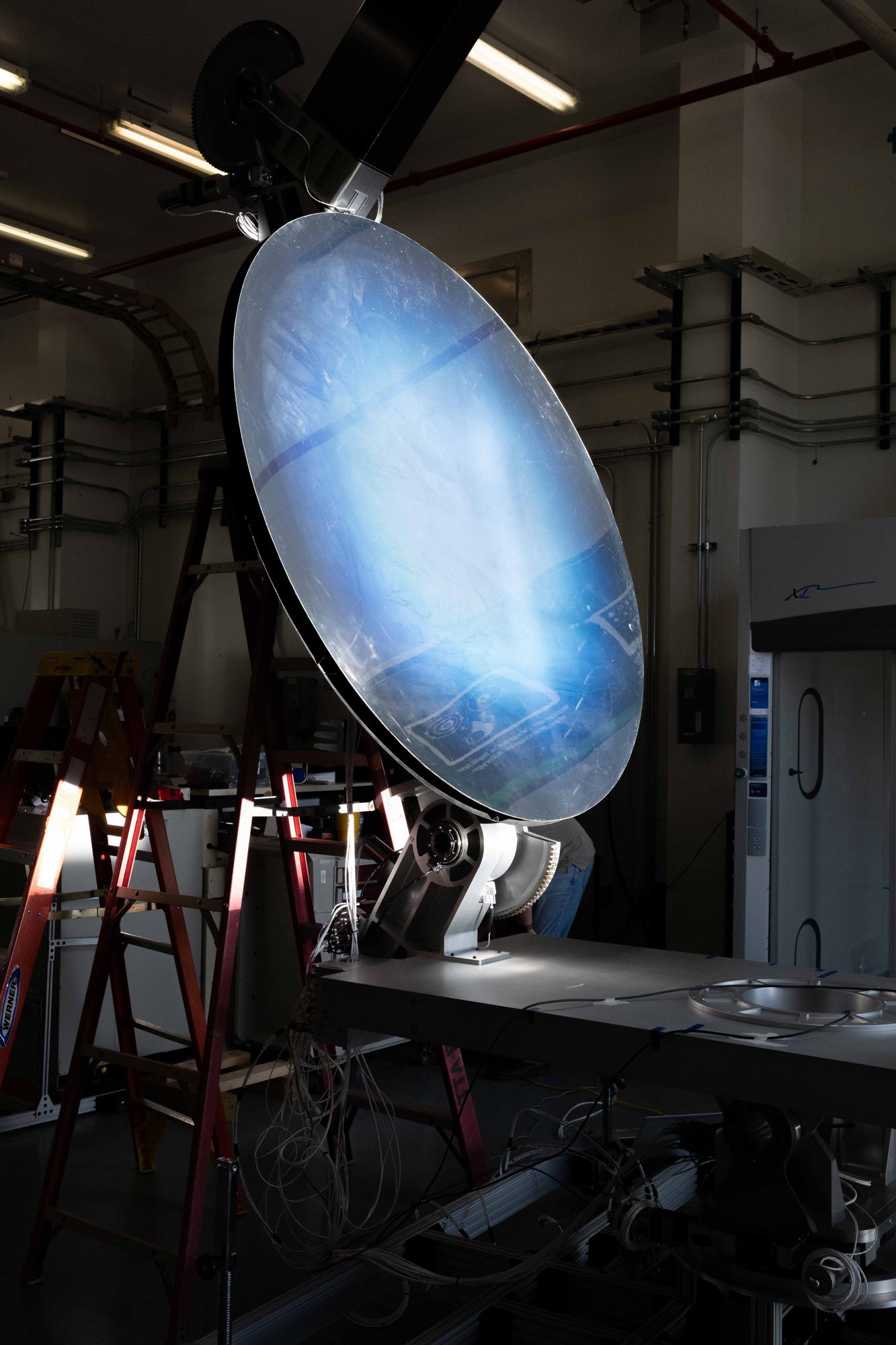
The successful integration of the solar concentrator, mirrors, and sophisticated software for this specific test is a critical step. It means the intricate dance of directing and focusing solar energy is becoming more refined, more predictable. This isn’t just about a single experiment; it’s about building the foundational technologies that will enable sustained human presence beyond our atmosphere. The ability to generate oxygen locally is a game-changer, shifting the paradigm from temporary visits to genuine habitation.
This work resonates deeply with the core principles I’ve always valued in space exploration: robust design, meticulous testing, and an unwavering commitment to safety. Every material chosen, every process simulated, has to withstand the unforgiving vacuum and extreme temperatures of space. Understanding how different elements react under such conditions, and ensuring those reactions are controlled and predictable, is paramount. The CaRD project, in its ambition to manipulate the very composition of lunar rock, embodies this same meticulous attention to detail. It’s about taking raw materials and transforming them, reliably and efficiently, into what we need to survive and thrive.
As I watch these developments unfold, from the comfort of my own home while juggling the demands of raising four energetic children, I see echoes of the dedication and foresight that fueled past generations of space pioneers. The challenges are immense, of course. The lunar environment is harsh, and the scale of this undertaking is significant. But the potential rewards are immeasurable. The ability to extract oxygen from the Moon is a crucial step towards making our dreams of lunar bases and beyond a tangible reality. It’s about not just visiting the Moon, but truly living there, sustained by the very celestial body we explore. This isn’t just about photos and headlines; it’s about forging life from dust, one solar-powered reaction at a time.
Leave a Reply