## The Moon’s Crimson Kiss: A Spectacle from Down Under (and Above!)
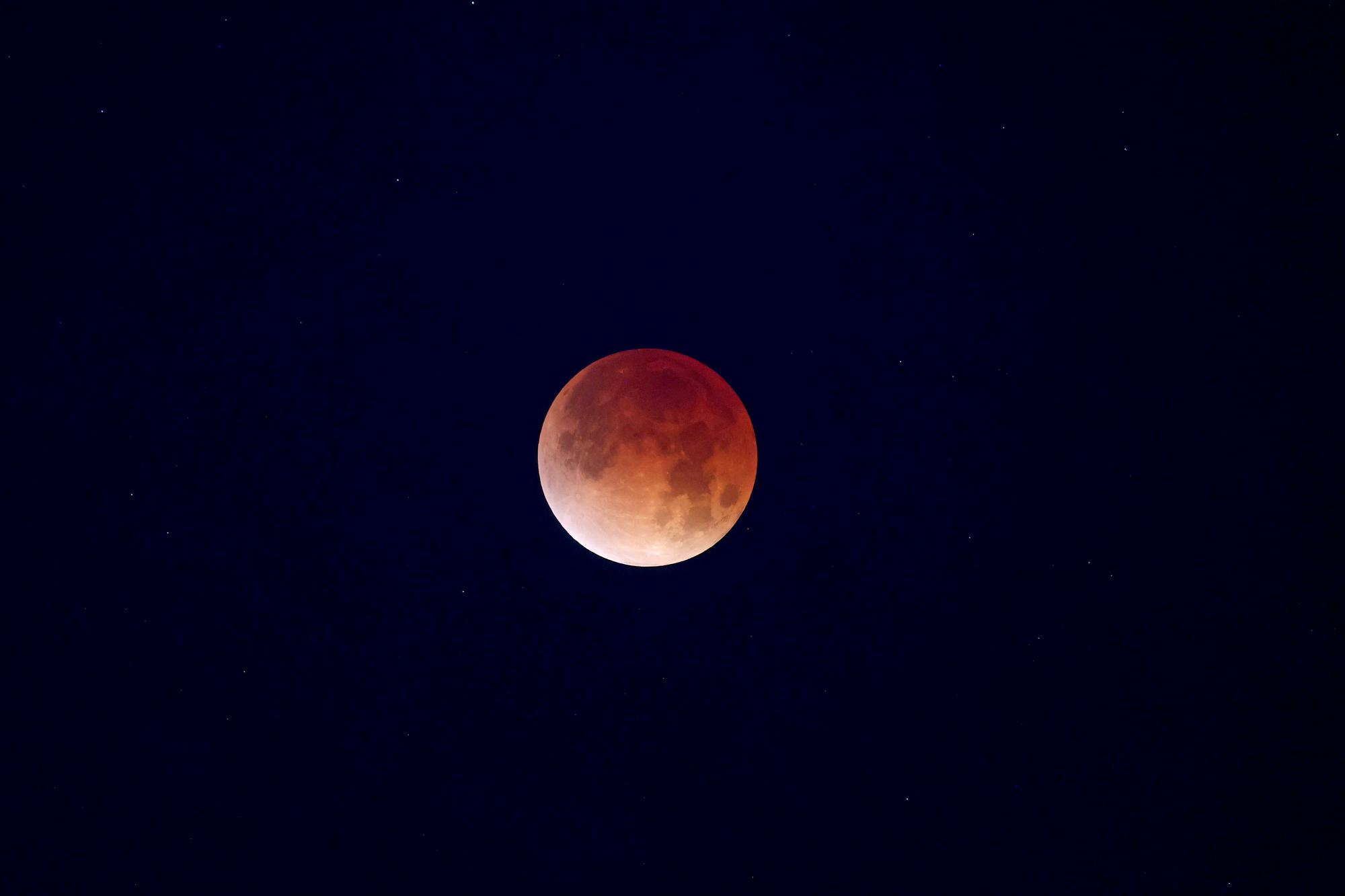
That breathtaking image of a ruby-red moon hanging over the vibrant city of New Orleans? It’s a stark reminder of the cosmic ballet constantly unfolding above us. On March 3rd, 2026, Earth’s shadow, cast by the Sun’s brilliant light, painted the Moon with hues of crimson and orange. This isn’t just a pretty picture; it’s a tangible demonstration of celestial mechanics, a phenomenon that has captivated humanity for millennia. Witnessing a total lunar eclipse is a profound experience, a fleeting moment where our terrestrial home plays a crucial role in obscuring our celestial neighbor.
***
## From Shuttle Seals to Starlight: A Mother’s Perspective on Lunar Eclipses
The news of a total lunar eclipse gracing the skies over New Orleans, a city with deep ties to our nation’s space endeavors, brings back a flood of memories. While my days now are filled with the wonderfully chaotic rhythm of raising four children, my mind occasionally drifts back to the sterile hum of labs and the intricate dance of engineering that once consumed my life.
Seeing that deep, rich red hue spread across the lunar disk is more than just a beautiful sight; it’s a testament to the incredible physics at play. For me, understanding how light bends and refracts through Earth’s atmosphere, the very same atmosphere that cradles our planet and allows life to flourish, is something I’ve grappled with on a much more intricate level. I’ve spent countless hours poring over material properties, analyzing how minuscule changes in composition or structural integrity could have monumental consequences in the unforgiving vacuum of space. The way sunlight filters through our atmosphere to cast that ruddy glow on the Moon is, in its own way, an engineering feat of nature, a grand demonstration of optical principles.
My background, focused on the materials that held together some of humanity’s most ambitious ventures into space and the meticulous safety protocols that governed them, gives me a unique lens through which to view these celestial events. When I look at an eclipse, I don’t just see a red moon; I see the culmination of precise orbital mechanics, the interplay of light and shadow governed by immutable laws. I see the same dedication to understanding fundamental principles that drove the development of every bolt, every wire, every fuel tank that allowed us to reach for the stars.
While my immediate focus has shifted from mission criticality to bedtime stories, the ingrained appreciation for precision, for understanding the underlying science, remains. It influences how I explain the world to my children, how I try to foster their curiosity. And when I see a spectacle like this total lunar eclipse, it’s a powerful reminder of the vast, interconnected universe we inhabit. It’s a moment to pause, to look up, and to remember the incredible ingenuity, both human and natural, that shapes our cosmic journey. It’s a reminder that even from the comfort of our own planet, we can still be participants in the grandest of cosmic displays.
Leave a Reply