
Here’s a blog post from the perspective of an ex-Space Shuttle Materials and Processing Engineer, now a stay-at-home mom, reflecting on the Artemis II recovery training:
## The Ocean’s Embrace: A Familiar Dance, Reimagined
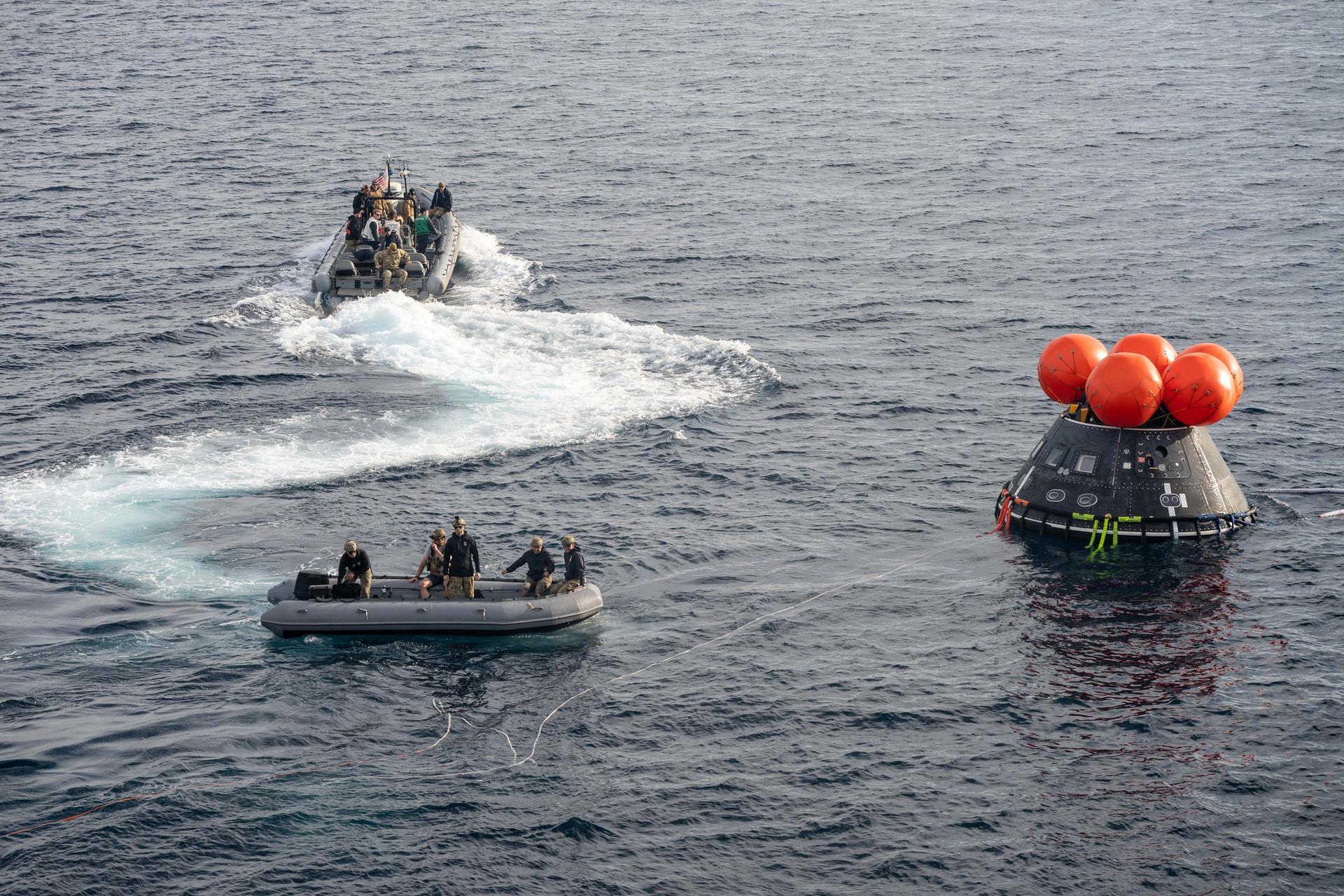
The news of NASA’s Artemis II recovery training off the coast of California, simulating the splashdown and retrieval of the Orion spacecraft, brings a flood of memories. It’s a potent reminder that even as we venture further into the cosmos, the fundamental principles of returning safely to Earth remain at the heart of every mission. Watching the teams meticulously work through their “just-in-time” training, utilizing a full-scale mockup of the Orion, evokes a deep sense of understanding, a quiet acknowledgment of the immense effort that goes into that final, critical handshake between spacecraft and planet.
From my vantage point, monitoring the industry while navigating the whirlwind of raising four children, this kind of preparation is more than just a drill. It’s the culmination of countless hours of design, testing, and procedural refinement. When I was deeply involved in the Space Shuttle program, the splashdown and recovery phase was one of the most intensely scrutinized parts of any mission. It wasn’t just about getting the astronauts home; it was about bringing back a incredibly complex piece of machinery, intact and ready for detailed analysis.
The materials chosen for the spacecraft, the thermal protection systems designed to withstand the fiery descent, the precise engineering of the parachutes – all of it had to perform flawlessly. And then there’s the recovery itself. The ocean is a powerful, unpredictable environment. The teams practicing their retrieval maneuvers, using a test article to mirror the real deal, understand the stresses involved. They’re simulating the bobbing of a capsule, the potential for waves, the need for rapid, secure access to the crew. This isn’t a Hollywood spectacle; it’s a carefully choreographed ballet of engineering, logistics, and human expertise.
My experience, particularly in materials and processing, instilled in me an acute appreciation for the “what ifs.” We spent countless hours analyzing how different materials would react under extreme conditions – the heat of re-entry, the impact of splashdown, the corrosive nature of saltwater. We obsessed over every seam, every weld, every seal, knowing that a minuscule flaw could have monumental consequences. This meticulous attention to detail, this deep-seated understanding of how things break and how to prevent it, is what informs my perspective as I follow these modern missions.
Even from the sidelines, managing a household that’s a different kind of launchpad, the dedication and precision of these recovery teams are evident. They are the unsung heroes of the return journey, ensuring that the incredible achievements in space are completed with the ultimate success: the safe return of our explorers. The dance with the ocean may be familiar, but the instruments, the choreography, and the destination are all part of a thrilling new chapter. It’s a testament to human ingenuity, a constant evolution of what’s possible, and a reminder that the journey home is just as vital as the journey out.
Leave a Reply