## The Echoes of Atlantis, The Promise of Artemis
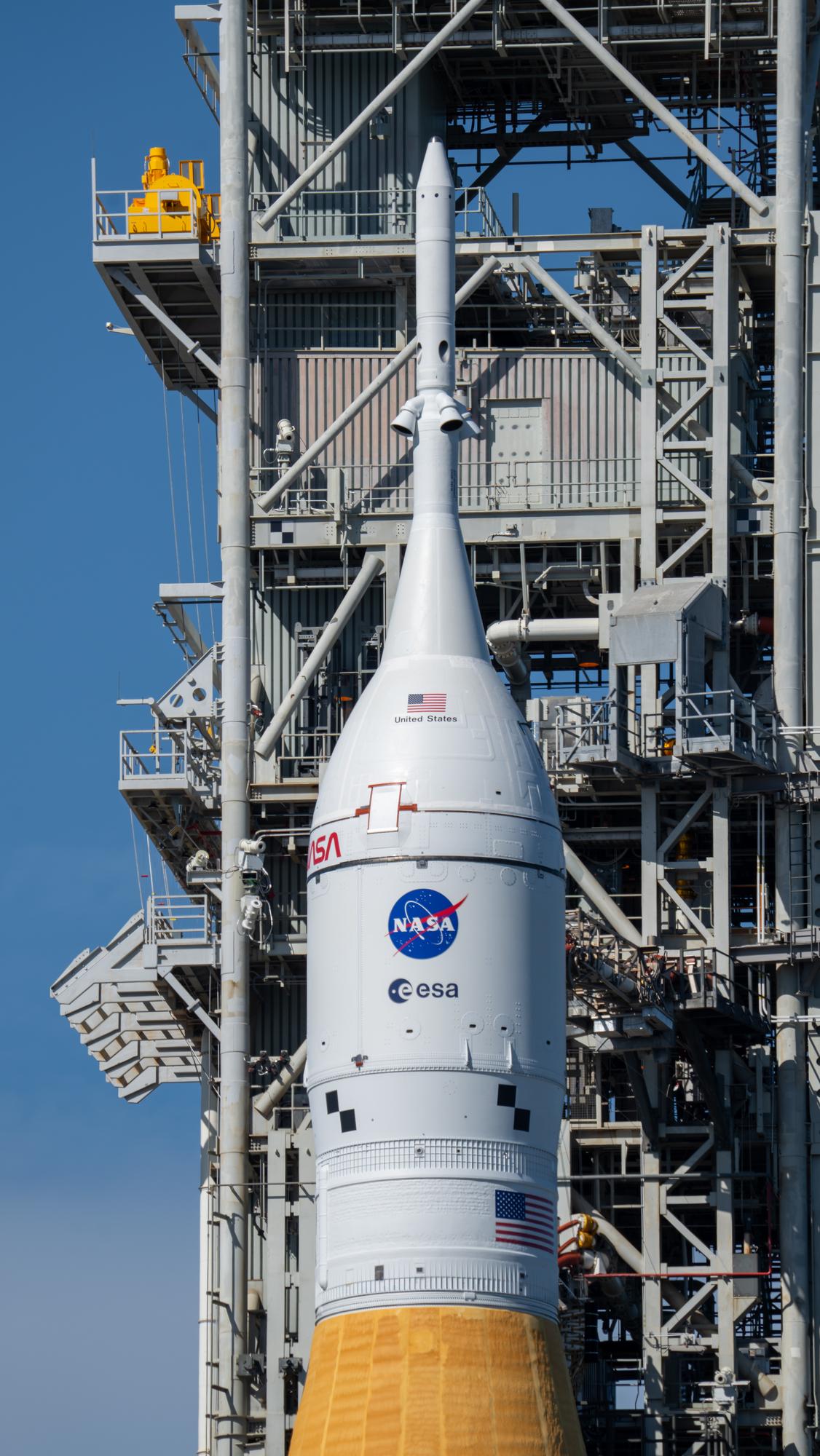
The image speaks volumes, a stark white leviathan against the deep blue of Florida’s sky. There, on Pad 39B, stands the Artemis II Orion spacecraft, a silhouette against the future. It’s a familiar, yet profoundly new, sight. The Space Launch System rocket, a colossus designed to carry humanity beyond Low Earth Orbit, is finally positioned, a testament to years of tireless effort and unwavering dedication.
This isn’t just a photograph; it’s a narrative woven from steel, composites, and dreams. It captures a moment poised on the cusp of an epic journey, a journey that draws a direct line from the pioneering spirit of the Space Shuttle program to the ambitious goals of returning humans to the Moon and beyond. The sheer scale of the operation, the intricate dance of engineering and logistics required to bring such a monumental vehicle to the launch pad, is a symphony that only those who have been in the thick of it can truly appreciate.
The meticulous attention to detail, the layers of safety protocols, the countless hours spent analyzing every weld, every circuit, every material composition – these are the invisible forces that underpin such a launch. It’s a process born from decades of hard-won experience, a legacy carried forward with every bolt tightened and every system checked. This image, then, is more than just a snapshot in time; it’s a powerful visual reminder of what happens when humanity sets its sights on the stars, and the profound dedication required to reach them.
***
## Blog Post: From the Cockpit’s Shadow to the Cradle’s Watch: A Space Engineer’s Perspective on Artemis II
There’s a particular kind of hum in the air around a launch pad that resonates deep within your bones. It’s a feeling, a vibration, a tangible sense of immense power being held in check, waiting for its moment. Seeing the Artemis II Orion spacecraft perched atop the SLS rocket, bathed in the Florida sun on January 17th, 2026, brought all of that back in a rush. It’s a visceral connection to a time when my days were filled with the minutiae of getting those magnificent machines off the ground, ensuring they were as safe and as robust as humanly possible.
My career was spent immersed in the guts of our orbital endeavors, specifically during the later years of the Shuttle program and its immediate aftermath. I was part of the teams that wrestled with the very fabric of spaceflight – the materials that could withstand the inferno of re-entry, the intricate processes that bonded them, the relentless pursuit of safety in an inherently unforgiving environment. We lived and breathed the data, poring over stress analyses, scrutinizing material fatigue, and meticulously charting every potential failure point. It was a responsibility that weighed heavily, but it was also the source of an unparalleled sense of purpose.
Now, my view of the cosmos has shifted. The spreadsheets and simulations have been traded for bedtime stories and the delightful chaos of four energetic children. My focus has moved from the structural integrity of an external tank to the boundless potential held within small minds. Yet, this shift in perspective hasn’t dulled my connection to the industry. In fact, it’s sharpened it. From my vantage point, I see the echoes of the past in the present.
The sheer complexity of the Artemis program, the scale of the SLS rocket, the advanced design of the Orion capsule – it all speaks to the lessons learned, the expertise honed, and the foundational knowledge built during the Shuttle era. When I look at that rocket on the pad, I don’t just see a vehicle; I see the culmination of countless hours of dedication, the quiet triumphs of engineers who solved seemingly insurmountable problems. I see the ghost of the Shuttle’s wing, the ingenuity of its thermal protection system, the rigorous testing that went into every component, all informing the design of this new generation of spacecraft.
The emphasis on safety, for instance, is not just a talking point; it’s a deeply ingrained philosophy. The years spent anticipating every conceivable scenario, the redundancy built into every system, the rigorous training that prepared astronauts for the unknown – these are the bedrock principles that continue to guide NASA’s human spaceflight endeavors. My own experiences, the deep dive into material science and processing, the constant vigilance required to ensure the safety of those who flew, have instilled in me an appreciation for the unseen efforts that make these missions possible.
While I’m no longer in the control rooms or the fabrication labs, my passion for space exploration remains. It’s a quieter passion now, nurtured in stolen moments of research and observation between snack times and soccer practice. Seeing Artemis II poised for its journey is a powerful reminder of what we, as a nation and as a species, are capable of when we dare to dream big and work with unwavering commitment. It’s a beacon of hope, a testament to human ingenuity, and a promise of futures yet to be written. And for this former engineer, now immersed in the equally challenging, yet infinitely more rewarding, world of child-rearing, it’s a deeply inspiring sight.
Leave a Reply