## Echoes of Stardust: A Glimpse into Cosmic Nurseries
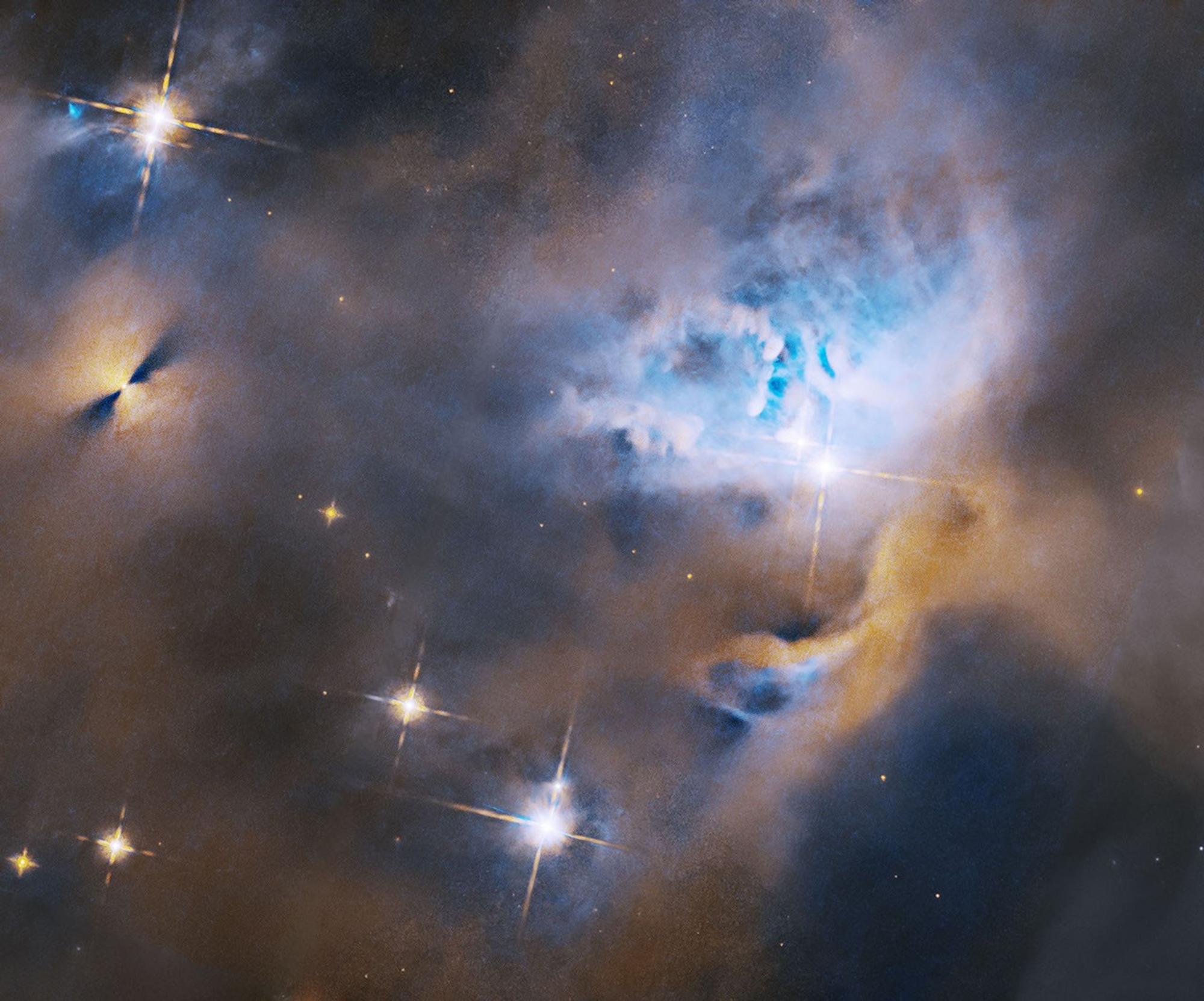
The cosmos, in its boundless grandeur, continues to unveil its secrets, and this latest marvel from the Hubble Space Telescope is no exception. We’re treated to a breathtaking vista of NGC 1333, a region teeming with the incandescent birth pangs of stars. At its heart, a radiant reflection nebula paints the interstellar canvas with ethereal light, while nestled within its glow is a protostar, still gathering its strength. Yet, the true revelation lies in the surrounding disk – a celestial cradle where planets are actively taking shape, whispering promises of future worlds. This image is a profound testament to the ongoing, dynamic processes of star and planet formation, reminding us of the universe’s persistent artistry.
***
## From Solid Rocket Boosters to Bedtime Stories: A Peek Behind the Curtain
It’s funny, isn’t it? One minute, you’re meticulously analyzing the thermal insulation on a Solid Rocket Booster, ensuring it can withstand the inferno of launch. The next, you’re negotiating with a tiny human about the correct shade of crayon for a drawing of a rocket. My journey from the heart of the Space Shuttle program to the delightfully chaotic world of motherhood has given me a unique lens through which to view the universe, both the one we’ve conquered and the one that continues to unfold.
When I see images like this stunning view of NGC 1333, my mind doesn’t just see pretty colors. It sees the raw materials, the incredibly complex processes, and the sheer dedication required to understand them. My days spent poring over material specifications, stress analyses, and failure modes – all in the name of keeping precious cargo and even more precious humans safe during a journey of unimaginable forces – have instilled a deep appreciation for the science behind what appears so effortless in a photograph.
The Hubble telescope, for instance, isn’t just a camera; it’s a marvel of engineering that has to function flawlessly in an environment that would obliterate anything on Earth. The materials it’s made of, the precision of its optics, the redundant systems designed to keep it alive – it’s all a symphony of applied physics and engineering that resonates deeply with my past work. I can’t help but think about the team that designed and built those mirrors, the coatings that protect them, and the rigorous testing that ensured their survival. It’s the same meticulous attention to detail that went into ensuring the Space Shuttle’s thermal protection system would do its job, or that the structural integrity of the Orbiter could handle the immense stresses of ascent and reentry.
What’s truly captivating about this particular image, though, is the glimpse it offers into the very beginning of planetary systems. We’re not just looking at a star being born; we’re seeing the potential for *worlds*. This reminds me of the early stages of our own solar system, a chaotic period of dust and gas coalescing into planets. It’s a profound connection, bridging the vastness of space with the intimate act of nurturing young life right here at home.
While my days of crunching numbers for orbital mechanics have been replaced by the delightful math of dividing snacks for four, the fundamental principles remain the same. It’s all about understanding systems, anticipating challenges, and working with incredible dedication towards a successful outcome. Whether that outcome is a safe return to Earth or a toddler finally mastering their ABCs, the underlying drive for knowledge, safety, and the pursuit of something greater is a constant. And seeing images like this, knowing the scientific rigor and human ingenuity that brought them to us, fuels that same sense of wonder and inspires me to keep looking up – even if it’s just to check on the children playing in the backyard.
Leave a Reply