## The Big Red Moon and Lessons from the Launch Pad
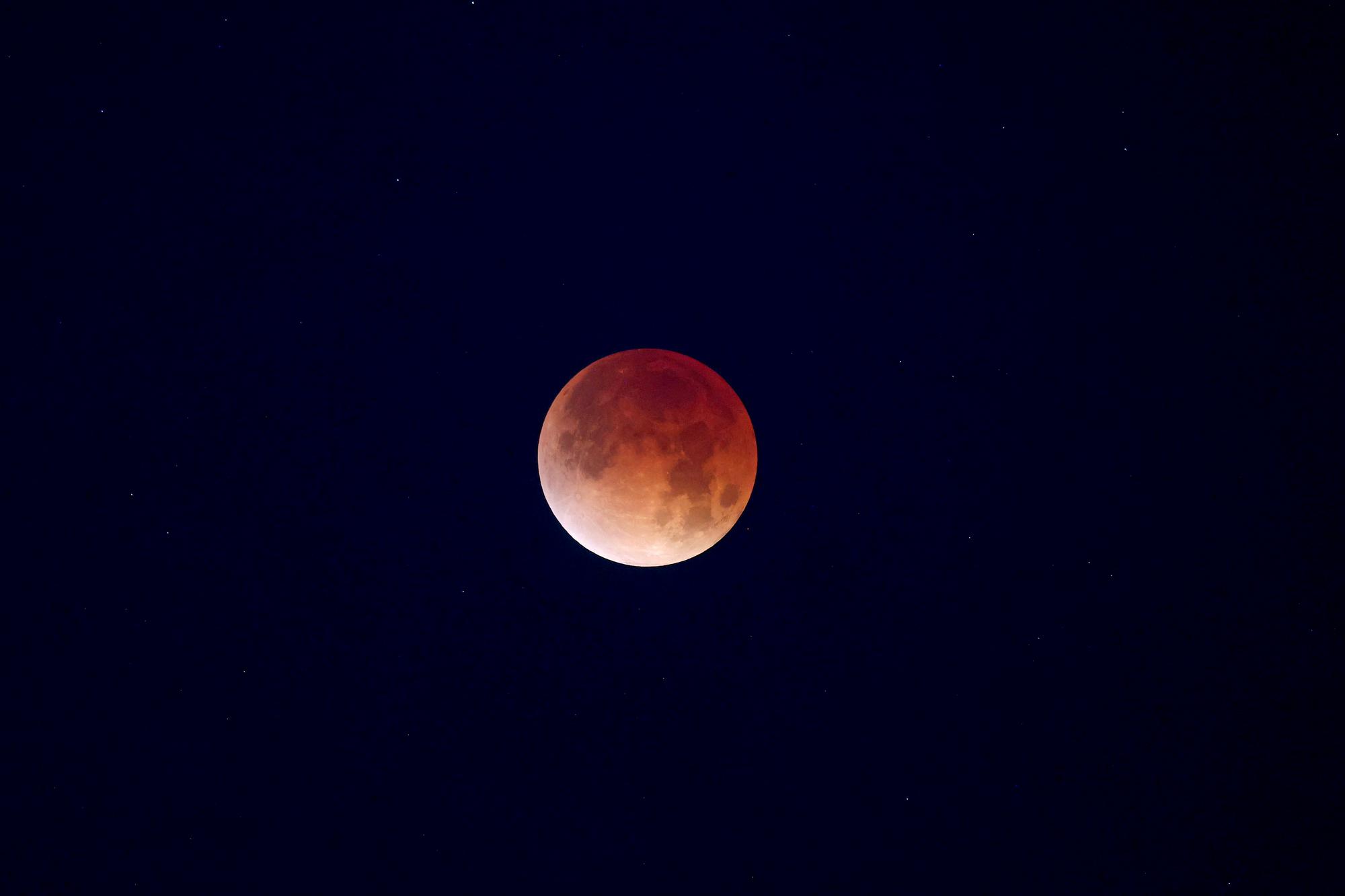
That fiery orb hanging in the sky over New Orleans last week? A total lunar eclipse. It’s a beautiful, almost otherworldly spectacle, and for me, it brings back a flood of memories. Not just of gazing at the cosmos, but of the intricate dance of science and engineering that makes reaching for the stars possible.
Watching the Earth’s shadow creep across the moon, transforming it into that deep, crimson hue, is a potent reminder of our place in the universe. It’s a celestial ballet governed by physics, a predictable yet breathtaking event. And it’s this very predictability, the understanding of how things work and how they *should* work, that was the bedrock of my career.
You see, when you’ve spent your days meticulously analyzing the resilience of materials under extreme stress, or ensuring the flawless assembly of complex systems designed to withstand the vacuum of space and the fury of atmospheric re-entry, you develop a certain perspective. Every component, every weld, every process has to be just right. There’s no room for error when the stakes are literally cosmic.
This background instills a deep appreciation for the fundamentals. It’s about understanding the fundamental properties of how materials behave, how energy transfers, and how systems interact. Even when observing something as seemingly simple as a lunar eclipse, my mind naturally drifts to the underlying principles. How does the atmosphere refract that sunlight? What are the properties of lunar regolith that would affect its appearance from afar? It’s the engineer’s instinct to deconstruct, to understand the “why” behind the “what.”
And then there’s safety. Oh, safety. It’s not just a checklist; it’s a mindset. It’s about anticipating every conceivable failure mode and building in redundancies. When you’re dealing with something as powerful and volatile as a rocket launch, safety is woven into the very fabric of the design and operational procedures. This ingrained vigilance means I look at the world a little differently. I see the potential for things to go wrong, yes, but more importantly, I see the immense effort and dedication it takes to make them go *right*.
Now, my days are filled with a different kind of complex system: four energetic children. The challenges are equally demanding, though the stakes are, thankfully, a bit more terrestrial. But the core principles remain. Understanding the nuances of materials (what kind of playdough won’t stick to everything?), the importance of process (bedtime routines are critical!), and, of course, safety (keeping tiny humans from scaling furniture is an Olympic sport).
So, while I might be swapping rocket fuel fumes for the scent of crayon wax these days, that deep-seated understanding of how things work, how to build them robustly, and how to ensure they operate safely, continues to shape my perspective. Even when I’m just looking up at the sky, I’m seeing more than just a pretty picture; I’m seeing a testament to human ingenuity, a reminder of the profound scientific principles that govern our universe, and a reflection of the meticulous work that makes such wonders possible.
Leave a Reply