## From Shuttle Cockpit to Kitchen Counter: Keeping an Eye on Lunar Oxygen
The metallic tang of ozone, the hum of complex machinery, the sheer, unadulterated thrill of sending something *human-made* hurtling through the void – these are the echoes of a past life. Now, my days are filled with a different kind of complex operation, one that involves four small, energetic astronauts navigating the gravity well of my living room. But even amidst the demands of motherhood, my gaze is still drawn to the stars, particularly to the groundbreaking work happening on the lunar frontier.
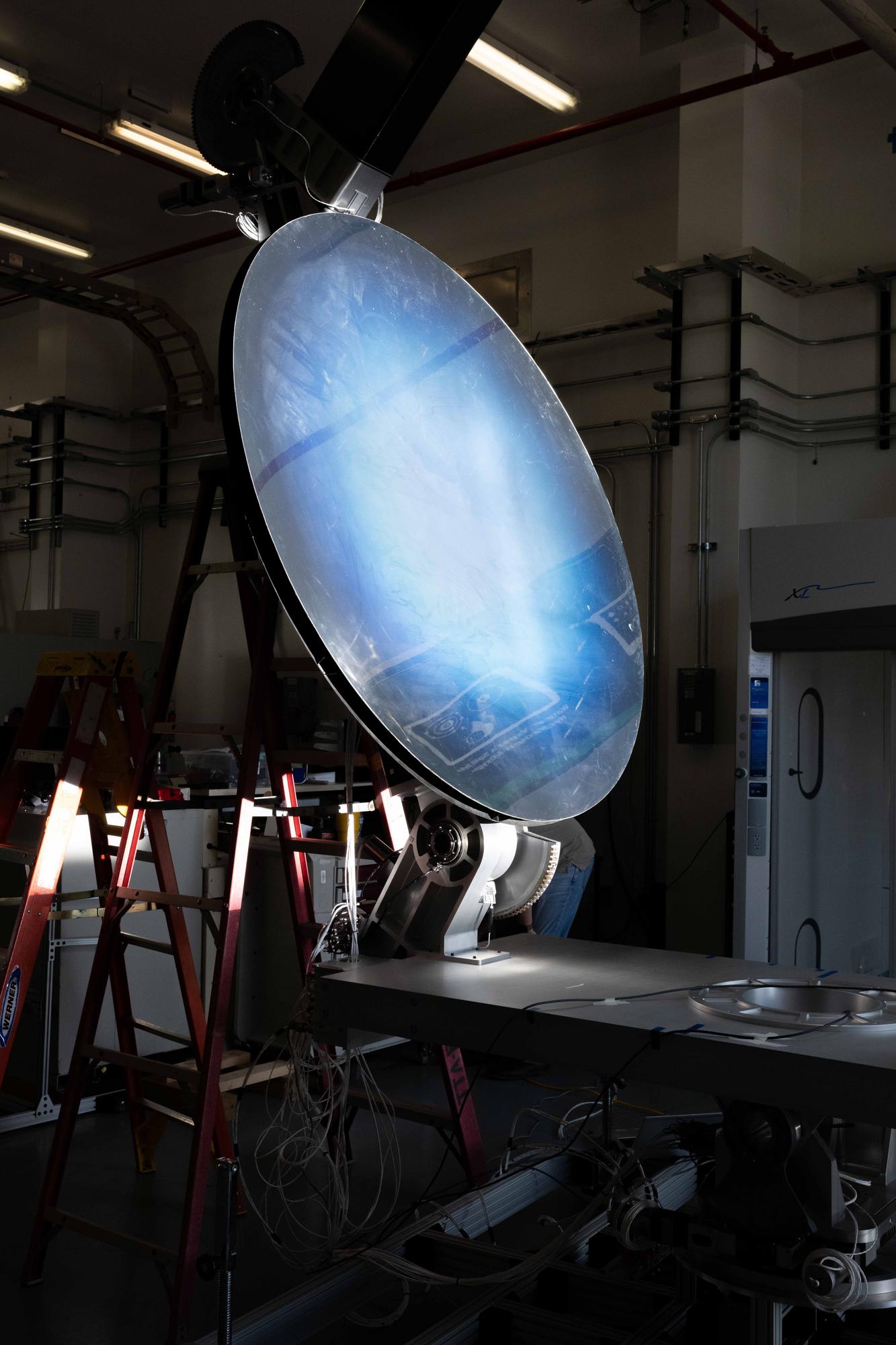
Recently, I saw something that really caught my attention: NASA’s Carbothermal Reduction Demonstration (CaRD) project at the Moon’s South Pole. They’re not just talking about getting to the Moon anymore; they’re talking about *living* there, and the key to that is something we often take for granted here on Earth: oxygen. This project is all about using concentrated sunlight to essentially “cook” lunar dirt – or regolith, as the experts call it – and pull out oxygen. Think of it as a cosmic solar-powered oven.
The real breakthrough here is the carbothermal reduction process. It’s a clever chemical reaction where carbon, when heated intensely, helps to break down the metal oxides in the regolith, freeing up the oxygen. And for the CaRD project, they’ve successfully demonstrated this, confirming the production of carbon monoxide. This might sound like a minor step, but in the grand scheme of space exploration, it’s massive. It means we’re moving beyond simply *bringing* resources to space, and starting to learn how to *make* them there.
This work on lunar oxygen production resonates deeply with my own experiences in the space industry. The meticulous planning, the iterative testing, the constant focus on materials and processes that can withstand the extreme conditions of space – these are all principles I understand intimately. When I look at a project like CaRD, I see the same dedication to fundamental science, the same rigorous engineering, and the same unwavering commitment to safety that I witnessed firsthand.
My time spent working with materials designed to endure the vacuum, the radiation, and the thermal extremes of orbital flight gives me a unique perspective on what it takes to make lunar operations a reality. The ability to rely on materials and processes that can function reliably without constant resupply from Earth is paramount. The CaRD project’s reliance on sunlight, a readily available resource on the Moon, and on the regolith itself, bypasses the immense logistical challenge of transporting heavy oxygen tanks. This is not just about exploration; it’s about sustainability in the most unforgiving environment imaginable.
The very essence of that past work was ensuring the safety and viability of complex systems. Every nut, bolt, and material choice on the Space Shuttle was scrutinized to ensure the astronauts’ safety and the success of the mission. This same meticulous attention to detail is undoubtedly being applied to the CaRD project. Understanding how different compounds react under extreme solar irradiation and within the lunar atmosphere (or lack thereof) requires a deep dive into material science and chemical engineering. It’s about predicting and mitigating any unforeseen reactions or failures before they become critical.
While my days are now filled with scraped knees and bedtime stories, the engineer’s mind never truly switches off. Seeing projects like CaRD mature from theoretical concepts to tangible demonstrations ignites that same spark of wonder and excitement. It’s a testament to human ingenuity and our unyielding drive to push beyond our current boundaries. The prospect of a future where humans can breathe freely on another celestial body, powered by the very landscape around them, is a dream that continues to fuel my fascination with this ever-evolving industry.
Leave a Reply