## A New Dawn for Orbiting Ingenuity: From Shuttle Days to a World of Tiny Telescopes
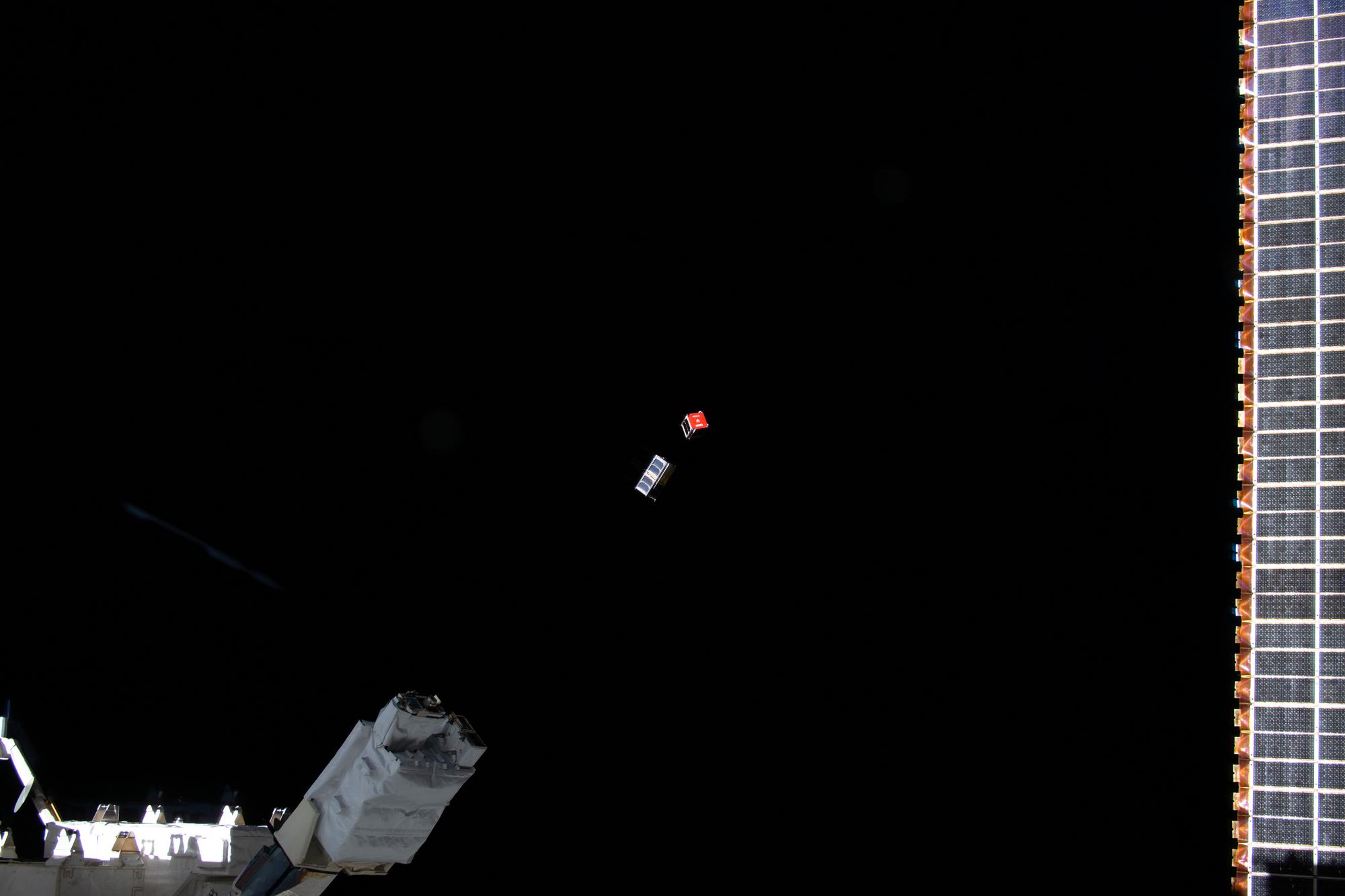
The gentle nudge that sent two shoebox-sized satellites tumbling into Earth’s embrace, a scene captured by the International Space Station’s vigilant eye, marks a profound shift in how we approach space exploration. This isn’t just another satellite deployment; it’s the vibrant pulse of innovation, a testament to the boundless creativity of students from Mexico, Italy, Thailand, Malaysia, and Japan. These miniature marvels, each no bigger than a shoebox, are embarking on missions of Earth observation and cutting-edge technology demonstrations, a testament to the democratization of space access.
### From Titan Towers to Tiny Titans: A Perspective Shift
Watching these CubeSats begin their journeys sparks a cascade of memories. There was a time, not so long ago in the grand scheme of things, when the very air in the Space Shuttle processing facilities hummed with a different kind of energy. We were wrestling with materials that could withstand the inferno of re-entry, ensuring every weld, every rivet, every composite layer could endure the brutal ballet of launch and return. The sheer scale of those machines, the immense power required to defy gravity, demanded an unwavering focus on robustness and resilience. Every decision was a matter of life and death, a constant dance with the unforgiving laws of physics.
My role then was deeply rooted in the tangible – the very substance of flight. I spent countless hours scrutinizing the grain structure of alloys, the lay-up of carbon fibers, the integrity of seals that had to perform flawlessly in the vacuum of space and the corrosive embrace of the atmosphere. Safety wasn’t just a protocol; it was woven into the very fabric of our work, an intrinsic understanding that failure was not an option when the stakes were so incredibly high.
Now, from a different vantage point, observing these CubeSats, I see that same spirit of innovation, but in a remarkably distilled form. The challenges are different, of course. It’s less about brute force and more about elegant efficiency. The materials might be lighter, the design principles more focused on miniaturization and off-the-shelf components. But the underlying drive is the same: to understand our planet, to test new ideas, to push the boundaries of what’s possible.
The fact that students from diverse corners of the globe are designing and deploying these missions is, to me, the most exciting part. It speaks to a future where the barriers to entry in space are lower than ever before. It’s a future where the knowledge gained from decades of complex human spaceflight, with all its triumphs and lessons learned, can now be leveraged by a new generation of thinkers and doers. The meticulous attention to detail required to ensure the safety and functionality of those massive shuttles, the deep understanding of how materials behave under extreme conditions – that foundational knowledge, though applied in a vastly different context, still informs the way we think about building anything that ventures beyond our atmosphere. It’s about making every gram count, ensuring every system performs its intended function flawlessly, and ultimately, achieving mission success. These tiny satellites, a far cry from the behemoths of my past, are carrying forward that same essential pursuit of knowledge and discovery, a testament to the enduring human quest to explore.
Leave a Reply