Here’s a blog post and summary based on the provided information, written from the perspective of an ex-Space Shuttle engineer who is now a stay-at-home mom.
## Stellar Soap Operas: More Than Just Pretty Pictures
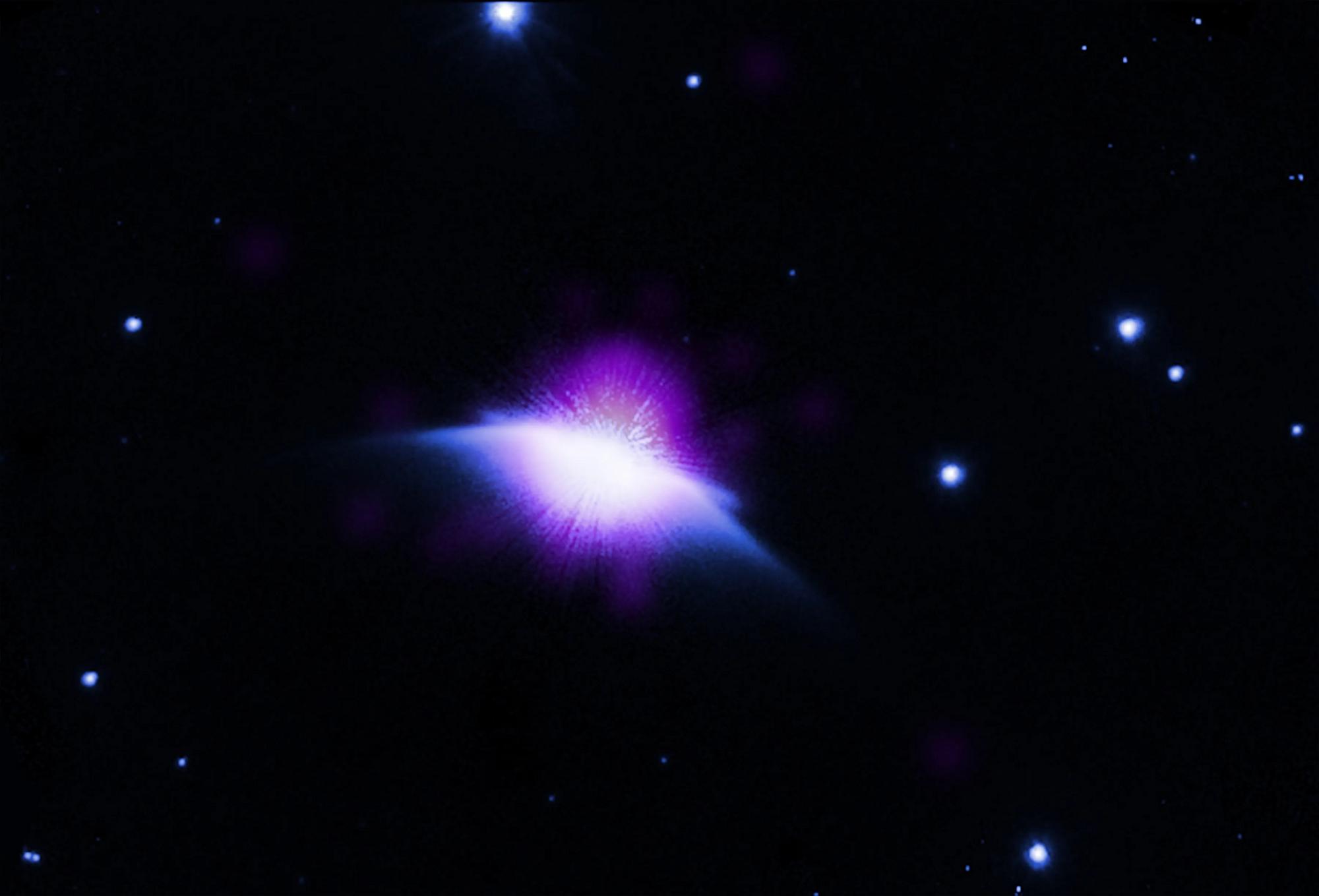
Remember those dazzling Hubble images that always seemed to capture the universe’s most elaborate fireworks displays? Well, NASA’s Chandra X-ray Observatory is peeling back another layer of cosmic drama, and this time, it’s a stellar origin story. For the first time ever, astronomers have caught a “younger Sun” – a star in its formative stages – in the act of blowing galactic bubbles. It’s like finding a toddler leaving their sticky handprints on the universe, but on a truly astronomical scale.
This isn’t just about pretty visuals, though those are undeniably breathtaking. This discovery offers a tantalizing glimpse into the intense, energetic processes that shape stars and their environments. These stellar “bubbles” aren’t formed from soap and water, but from powerful outflows of plasma and energy emanating from the young star. They carve out vast cavities in the surrounding interstellar gas and dust, influencing the very fabric of the galaxy.
The fact that we can now observe these phenomena with such clarity, thanks to observatories like Chandra, is a testament to human ingenuity and our persistent drive to understand our place in the cosmos. It highlights how much we’re still learning about the birth and evolution of stars, and by extension, the systems that might one day harbor life.
### Summary:
A recent discovery by NASA’s Chandra X-ray Observatory has captured, for the first time, a young star similar to our Sun creating “bubbles” in the galaxy. This event, a direct observation of energetic outflows from a star in its early stages, provides unprecedented insight into the processes that shape stellar evolution and galactic environments. These stellar bubbles, formed by powerful plasma emissions, carve out significant spaces within interstellar gas and dust, demonstrating the profound impact young stars have on their surroundings. The advancement in observational capabilities, exemplified by Chandra, allows scientists to explore the fundamental mechanisms of star formation and the potential for life beyond our solar system.
Leave a Reply